Bar size #6 19.0 mm · 3/4"
74.5 kg/mm²
min. 63
Range: 74.5
Atizapán–Atlacomulco Highway

EN ES
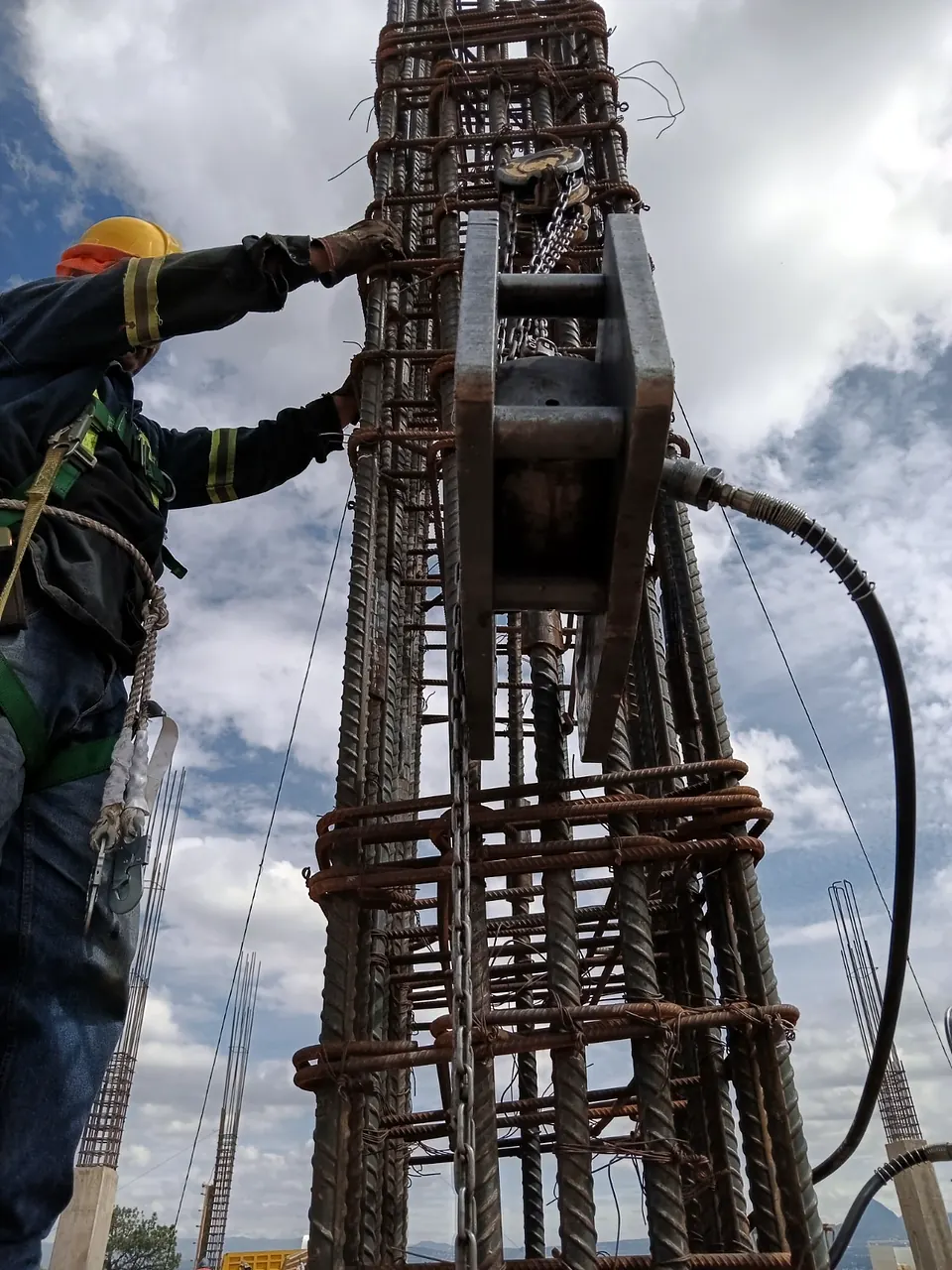
Hybrid Coupler · Patented technology
Type 2 mechanical splice per ACI 318 (tested under ACI 318S-14, 25.5.7.1) and the Mexico City code NTC-CDMX (6.6.1.6). Cold-crimped with the G7K tool. Made in Mexico.
Used on projects such as
Tested in laboratories accredited by EMA (Mexico)
Evidence
Tensile tests in EMA-accredited laboratories, per ACI 318S-14 (25.5.7.1) and NTC-CDMX (6.6.1.6). Type 2 minimum with Grade 42 rebar: 63 kg/mm² (1.5 fy).
Bar size #6 19.0 mm · 3/4"
74.5 kg/mm²
Range: 74.5
Atizapán–Atlacomulco Highway
Bar size #8 25.4 mm · 1"
81.8 kg/mm²
Range: 72.5–81.8
IKEA Guadalajara · Heineken Grajales · Atizapán–Atlacomulco Highway
Bar size #10 31.8 mm · 1 1/4"
69.5 kg/mm²
Range: 65.0–69.5
IKEA Guadalajara · Geotecnia test 2022
Bar size #12 38.1 mm · 1 1/2"
71.0 kg/mm²
Range: 63.0–71.0
IKEA Guadalajara · Los Encinos Hospital
The bar breaks before the coupler. In the BUAP test (IGA-23-003), all three specimens broke in the bar, with the coupler intact and no slippage.
In several tests, loading was stopped at the capacity of the machine with no specimen failure.
Laboratories: González & Beas (EMA MM-0635-087/15) and Geotecnia Control de Calidad (EMA C-0230-024/10 and MM-0735-107/16). MOLBER Solutions (formerly Fussion-e). Full reports available on request.
The problem
Materials and labor go up every year. Every splice that is slow or rejected on site is paid for twice.
3.95 %
Construction inflation (Mexico)
+5.96 %
Iron and steel sections
+6.5 %
Labor
Source: CMIC (CEICO), Mexican Chamber of the Construction Industry, with INEGI and CONASAMI data, February 2026 report (January 2025 – January 2026).
Each bar end must be saw-cut square and threaded, the threads protected and the coupler torqued. If the threads are hit, fouled with concrete or rusted, the bar can be rejected.
Overlapping bars uses extra steel at every splice and congests the reinforcement, which makes concrete placement harder.
The solution
The bar is not cut, threaded or heated: it keeps its full cross-section and properties.
No bar-end preparation and no perfect cut needed.
The coupler is placed over the joint between the two bars.
The G7K tool cold-crimps the coupler. The crimp mark allows visual inspection.
Patented technology
A high-strength steel sleeve with an inner polymer layer. When crimped, the polymer seals the splice and keeps water out.
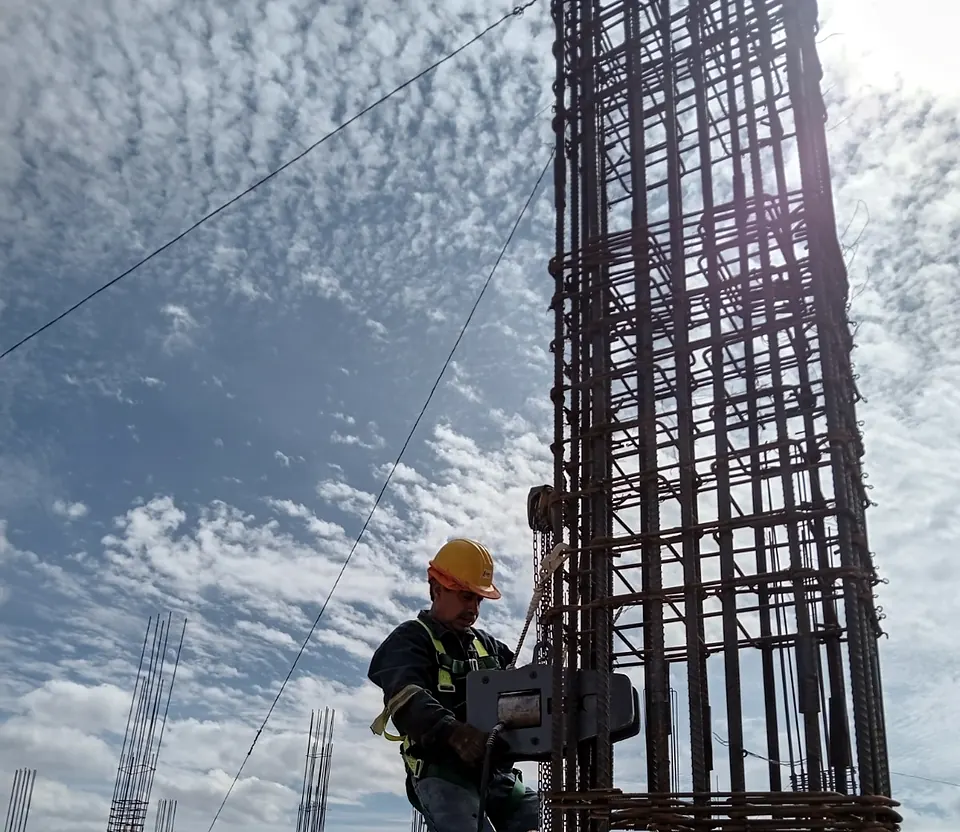
Crimping tool
Comparison
| Lap splice | MOLBER Hybrid Coupler | |
|---|---|---|
| Steel at the splice | Bars overlap: extra steel at every splice | End-to-end splice: no lap steel |
| Reinforcement | Congested in the lap zone | Cleaner, easier concrete placement |
Models
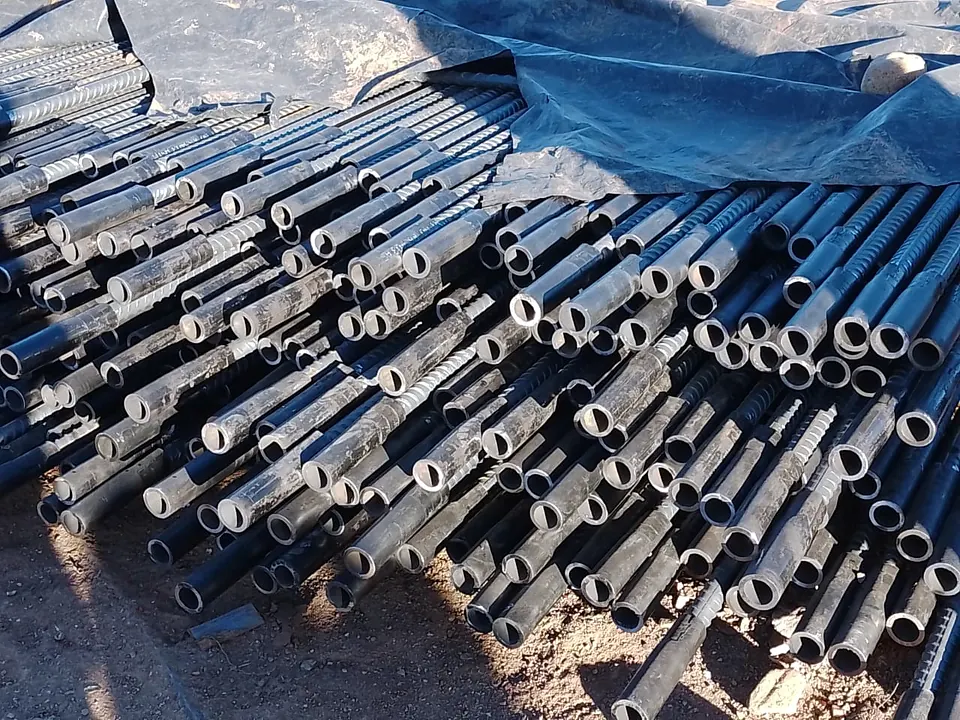
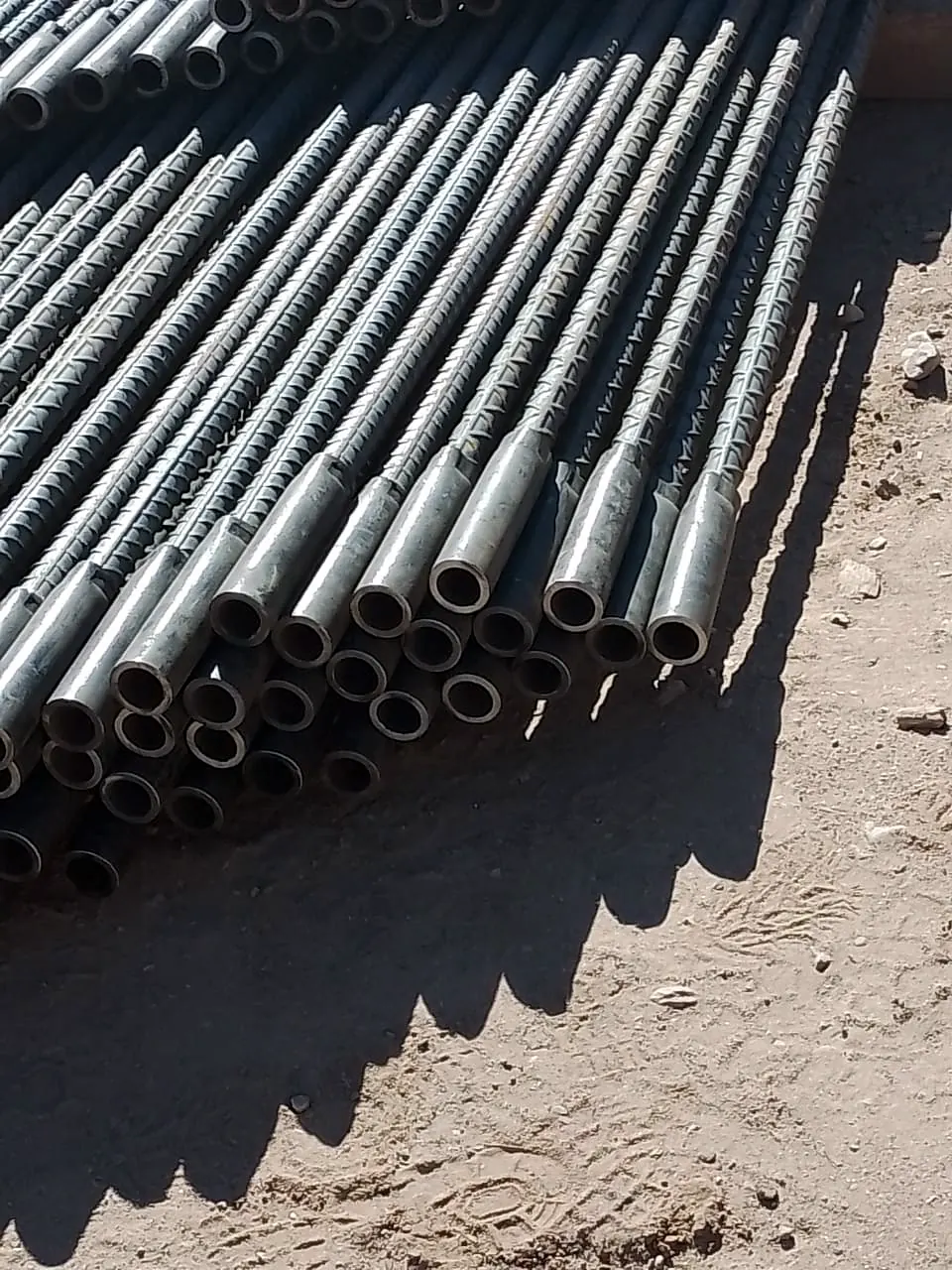
Develops the specified tensile strength of the bar (1.5 fy for Grade 42 rebar).
Develops at least 1.25 times the specified yield strength of the bar (1.25 fy).
| Model | Bar size | Bar (mm) | Length (cm) | Outer Ø (mm) | Inner Ø (mm) | Weight (kg) |
|---|---|---|---|---|---|---|
| CHT2-S06 | #6 | 19.0 | 8 | 36 | 26 | 0.42 |
| CHT2-S08 | #8 | 25.4 | 12 | 43 | 30 | 0.76 |
| CHT2-S10 | #10 | 31.8 | 16 | 57 | 38 | 1.38 |
| CHT2-S12 | #12 | 38.1 | 18 | 64 | 44 | 1.75 |
Type 1 and Type 2 have the same dimensions. Capacity: Type 2 = 1.5 fy · Type 1 = 1.25 fy (Grade 42 rebar).
We will send you the data sheet and a quote by bar size. If needed, we can schedule a technical visit.